Call Us Today!
Call Us Today!


Financing a bathroom remodel simply means spreading the cost of the project over time instead of paying the full amount at once, usually through a loan, a line of credit, or a payment plan. For most homeowners, the right financing turns a project that felt out of reach into a manageable monthly number.
Cost is the first question almost every homeowner asks, and the numbers are real. According to 2026 data from Angi and HomeAdvisor, a bathroom remodel runs a national average of about $11,533, with most projects landing between roughly $6,600 and $16,900 depending on size, finishes, and how much changes behind the walls. In an older New Orleans home, where plumbing and framing often need extra attention, budgeting realistically matters even more.
Here at TurnKey Bath Remodel, we have helped hundreds of local homeowners plan projects around their budgets, not the other way around. The good news is that a remodel does not have to be an all-or-nothing purchase. There are several well-established ways to finance one, each suited to a different situation.
If you would like an accurate number to build your plan around, contact us today for a free project estimate.
This guide breaks down what a remodel costs, the main financing options, how to choose between them, and how to keep the total in check.
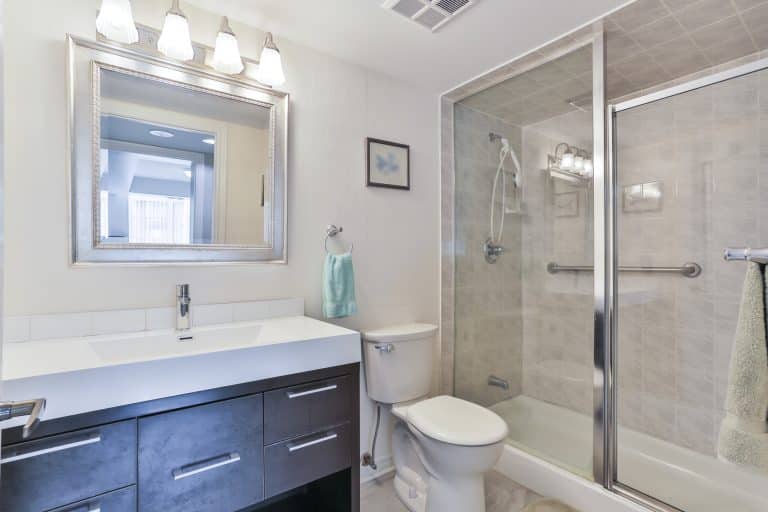 Before you finance anything, you need a realistic number to finance. National averages are a starting point, but your figure depends on the size of the room, the finishes you choose, and how much of the work happens behind the walls.
A straightforward update that keeps the existing layout sits at the lower end of the range. A full gut that moves plumbing, replaces the tub, and upgrades to premium tile and fixtures pushes toward the higher end and beyond. Older local homes add a variable that newer construction does not, since aging supply lines, uneven framing, or hidden moisture can turn up once demolition starts.
It also helps to leave a small cushion in whatever number you land on. Remodels of older homes are the ones most likely to uncover something behind the walls, and a buffer of even ten to fifteen percent keeps a surprise from forcing a mid-project financing scramble. Building that margin into the amount you borrow is far easier than trying to add to a loan later.
The most reliable way to plan is to get an itemized estimate rather than working from an average. For a deeper breakdown of what drives the price, our guide on how much a bathroom remodel costs in New Orleans walks through the major line items. Once you have a real number, choosing how to pay for it becomes much simpler.
Most homeowners fund a remodel through one of a handful of options. Each borrows against something different, whether that is your home’s equity, your credit, or a payment plan, and each fits a different situation.
If you have built up equity in your home, a home equity loan or a home equity line of credit, often called a HELOC, is one of the most common ways to fund a remodel. A home equity loan gives you a lump sum at a fixed rate. A HELOC works more like a credit line you draw from as the project moves along. Both use your home as collateral, which typically means lower rates than unsecured borrowing, but it also means the stakes are higher if you fall behind.
A cash-out refinance replaces your existing mortgage with a larger one and hands you the difference in cash. It can make sense when current rates are favorable compared to your existing mortgage, since you may improve your overall terms while funding the project. It is a bigger financial move than a home equity loan, though, so it rewards careful comparison of the new terms against the old.
An unsecured personal loan does not touch your home equity, which makes it a fit for homeowners who prefer not to borrow against the house or who have not built much equity yet. Approval and rate depend heavily on your credit. Some remodelers and product manufacturers also offer financing or payment plans directly, which can be convenient, so it is worth asking what options are available and reading the terms closely.
The best option is rarely the same from one household to the next. It comes down to a few practical factors, and weighing them honestly saves both money and stress.
Start with how much equity you have, since that determines whether home-secured borrowing is even on the table. Consider your credit, which shapes the rate on almost every option. Think about the size of the project, because a modest update and a full gut call for very different amounts. Factor in your timeline, since a line of credit suits a phased project while a lump sum fits a single push. And be honest about your comfort with using the home as collateral, which is the real dividing line between secured and unsecured borrowing.
 There is no universally correct answer. A homeowner with strong equity and a large project often leans toward a home equity option, while someone with limited equity and a smaller scope may prefer a personal loan. The point is to match the tool to your situation rather than defaulting to whatever is most familiar.
It also helps to look past the headline rate to the total cost of borrowing. A slightly higher rate on a shorter term can cost less overall than a low rate stretched across many years, so compare the full repayment picture, not just the monthly payment. Reading the fine print on fees, early-payoff penalties, and whether the rate is fixed or variable protects you from surprises well after the remodel is finished.
Financing is easier when the number you are financing is a sensible one. Keeping the project disciplined does more for your budget than any single loan choice, and it means smaller monthly payments no matter which option you pick.
The single biggest lever is scope. Keeping the existing layout and reusing the plumbing locations avoids the most expensive part of a remodel. Our guide on how to reduce the cost of a bathroom remodel covers where the savings actually live, and it is worth reading before you settle on a final scope.
You do not always need a full remodel to get a dramatically better bathroom. A tub-to-shower conversion or a bathtub liner can transform the space for a fraction of the cost of a gut renovation, which means a smaller amount to finance in the first place. For the leanest possible approach, our post on the cheapest way to remodel a bathroom lays out the budget-first path.
If the full project stretches your comfort level, phasing it can help. Tackling the highest-impact changes first, then completing the rest later, spreads the cost and can reduce how much you need to borrow at once. A line of credit pairs naturally with this approach, since you draw only what each phase requires.
Financing a bathroom remodel is far more approachable once you separate it into two questions: what the project actually costs, and how you want to pay for it. Homeowners who get a real, itemized estimate first, then choose a financing option that fits their equity, credit, and timeline, almost always end up with a smaller monthly number and far less stress than those who guess.
The stakes are concrete in an older New Orleans home, where an accurate budget has to account for the plumbing and framing surprises that newer houses rarely hide. Planning around a real number, rather than a national average, is what keeps a financed project from turning into an overrun.
At TurnKey Bath Remodel, we are happy to give you that real number at no cost, so you can approach any lender with a clear, itemized figure in hand. When you are ready to start planning, call us today at (504) 513-6366 to schedule your free estimate.
 Financial Disclaimer: This article is for general educational purposes only and is not financial or lending advice. Loan availability, interest rates, and terms vary by lender and by your individual circumstances. Consult a qualified lender or financial professional before making any financing decision.
National data from Angi and HomeAdvisor puts the average bathroom remodel around $11,533, with most projects falling between roughly $6,600 and $16,900. Your actual cost depends on the size of the room, the finishes you choose, and how much work happens behind the walls. Older local homes can add cost when aging plumbing or framing needs attention, so an itemized estimate is always more reliable than an average.
There is no single best option, because it depends on your situation. Homeowners with strong equity often use a home equity loan or a HELOC for the lower rates, while those without much equity may prefer a personal loan that does not touch the house. The right choice matches your equity, credit, project size, and timeline rather than following a one-size-fits-all rule.
Yes. Bathroom remodels are commonly financed through home equity loans, home equity lines of credit, cash-out refinancing, personal loans, and in some cases contractor or manufacturer payment plans. Approval and terms depend on factors like your credit, income, and available equity. Comparing a few options is the best way to find terms that fit your budget.
It depends on your equity and your comfort with using your home as collateral. A home equity loan usually offers a lower rate because it is secured by your house, which suits larger projects. A personal loan carries no risk to the home and can be faster to arrange, which suits smaller scopes or homeowners with limited equity. Weigh the lower cost of the secured option against the added risk before deciding.
Bathroom updates are consistently among the stronger returns in home improvement, though the exact payback depends on scope, finish quality, and your local market. A well-executed remodel that fixes a dated or poorly functioning bathroom is a genuine selling point. Overbuilding far beyond neighborhood norms tends to return less, so a sensible scope usually protects your value best.
It is often still possible, though your options and rates will be affected. Secured borrowing against home equity may be more accessible than unsecured personal loans when credit is a concern, since the loan is backed by the property. Terms will vary by lender, so it is worth speaking with more than one and being realistic about the monthly payment before committing.
If paying cash does not drain your emergency savings, it avoids interest entirely and is often the simplest path. Financing makes sense when you would rather keep cash on hand, when the project cannot wait, or when spreading the cost keeps the monthly number comfortable. Many homeowners use a mix, paying part in cash and financing the rest.
Start with an itemized, in-person estimate rather than an online average, since your home’s age, layout, and condition all affect the price. A detailed figure lets you approach any lender with a clear number and choose a financing option that actually fits. We provide free project estimates, so you can build your budget on a real figure before you borrow anything.