Call Us Today!
Call Us Today!

If your bathroom project has stalled because you cannot tell one contractor from the next, you are in the most important phase of the whole remodel. The person you hire matters more than the tile you pick, the fixtures you choose, or the budget you set. A skilled remodeler protects all three. The wrong one puts every one of them at risk.
Bathroom work is unforgiving. Behind the walls sit water lines, drains, and ventilation, and in an older New Orleans home that plumbing is often decades past its prime. A contractor who cuts corners on waterproofing or ignores a hidden leak does not create a cosmetic problem, they create a structural one that shows up months later as rot, mold, or a failed floor.
Here at TurnKey Bath Remodel, we have walked hundreds of New Orleans homeowners through this decision, and the ones who choose well all do the same things before they sign. This guide lays those steps out in order.
If you would rather talk through your project with a licensed team first, contact us today for a free, no-pressure consultation.
According to the Louisiana State Licensing Board for Contractors, any residential remodeling project between $7,500 and $75,000 requires a Home Improvement Registration, and work above $75,000 requires a residential contractor’s license. Verifying that credential is the single most protective thing you can do before hiring.
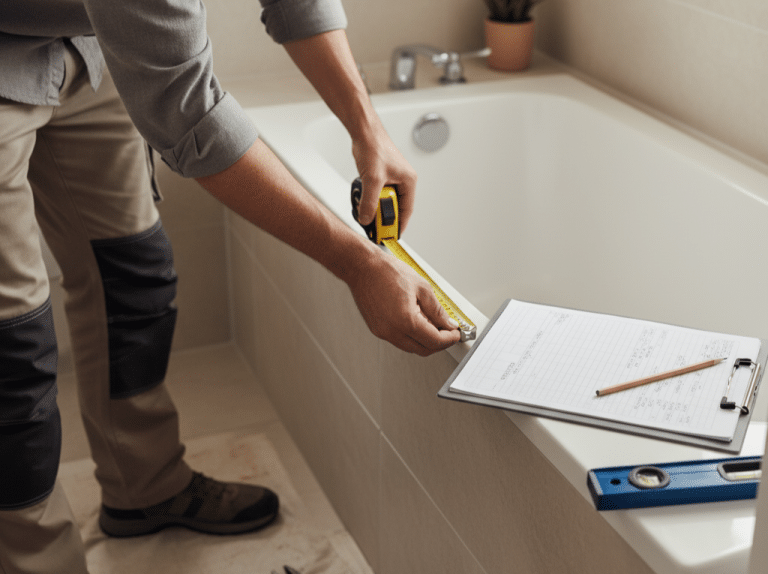 Before the steps, it helps to know what you are actually screening for. A good remodeler is not just someone with a truck and a portfolio. They are licensed, insured, specialized in the work you need, and transparent about how they price and schedule it. A risky one is usually missing at least one of those, and hopes you will not check.
In plain terms, three things carry the most weight: a current Louisiana license or Home Improvement Registration, active liability and workers’ compensation insurance, and a track record of bathroom-specific work in homes like yours. Everything else, from showroom size to sales polish, is secondary. The steps below screen for these in the order that saves you the most trouble.
The order matters because each check filters out a different kind of risk. Licensing weeds out the contractors with no accountability at all. Insurance removes the ones who would leave you holding the bill for an accident. Portfolio and references separate the true bathroom specialists from generalists who will learn on your dime. Run them in sequence and you rarely need the later steps, because most of the risky candidates fall out at the first two.
Start here, because it filters out the highest-risk contractors in one move. Ask for the contractor’s Louisiana license or Home Improvement Registration number, then verify it yourself rather than taking their word for it.
A contractor who hesitates to give a license number, or who tells you the work is too small to bother, is telling you something important. Walk away.
It also helps to understand what the credential covers. A Home Improvement Registration is meant for exactly the kind of remodeling most homeowners need, from a full bathroom gut to a shower conversion, as long as the total stays under $75,000. If a contractor is only registered but your project clearly runs higher, that mismatch is worth a direct conversation before any money changes hands. The point is not paperwork for its own sake, it is confirming the person doing the work is accountable to a state board if something goes wrong.
A license proves competence on paper. Insurance protects your home and your wallet if something goes wrong on the job. Never let anyone start work in your house without it.
In plain English, this step is about making sure a bad day on the job stays the contractor’s problem and never becomes yours.
Insurance matters more than it first appears in bathroom work specifically. Because so much happens behind the walls and under the floor, a mistake can damage far more than the room being remodeled. A cracked supply line or a missed waterproofing detail can send water into a ceiling or a joist below, and repairing that kind of hidden damage is exactly what a liability policy exists to cover. Taking five minutes to confirm the coverage is real is cheap protection against a very expensive problem.
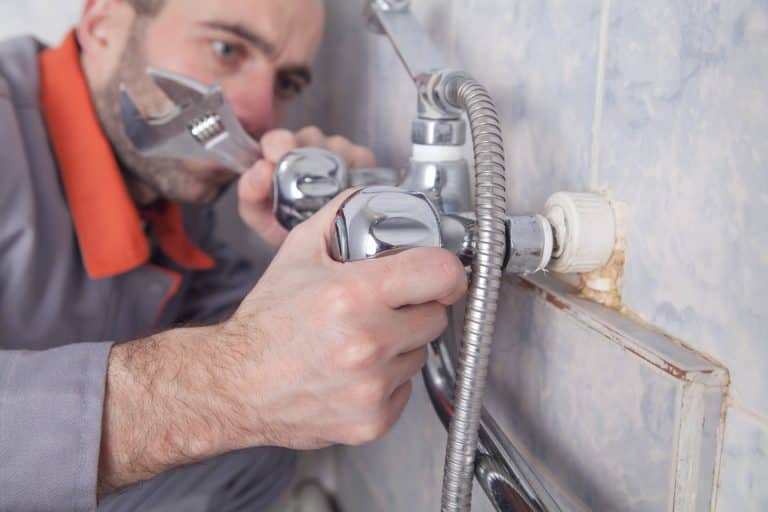 General remodelers and bathroom specialists are not the same. Bathrooms concentrate plumbing, waterproofing, and ventilation into a small space, and that work rewards focused experience. Ask to see projects that look like yours.
A specialist can talk through how they would handle your specific room. A generalist often cannot, and that gap shows up once the walls are open.
New Orleans homes make this step especially worth your time. Older framing is rarely square, floors are not always level, and decades-old plumbing can hide surprises that only appear once demolition starts. A remodeler who has worked on local homes has seen these conditions before and prices for them honestly, rather than treating every discovery as a reason for a new charge. Ask a candidate how they handle unexpected conditions, and listen for a specific answer rather than a reassurance.
Credentials and photos tell you what a contractor can do. Reviews and references tell you what they are actually like to work with once the deposit clears.
You can learn a lot about a company from how it talks about its own team and history. Reviewing the people behind the work, as you can on our company page, gives you a sense of who will actually be in your home. A contractor who is proud to name the crew and stand behind past projects tends to be the same one who answers the phone when you have a question after the job is done.
A real estimate is itemized, specific, and in writing. A number scribbled on the back of a card is a guess, and guesses are where budgets go to die. Insist on detail before you commit to anyone.
Our bathroom remodel checklist is a useful tool to bring into these conversations, because it helps you compare bids on the same terms. The cheapest number rarely turns out to be the cheapest project.
Pay close attention to how allowances are handled, since that is where a low bid often hides. If a contractor sets a tile or fixture allowance far below what you actually plan to buy, the quoted total looks attractive until every selection triggers an overage. A clear estimate either uses realistic allowances or asks you to make your selections first, so the number you approve is close to the number you pay.
The last step is about the working relationship. You will live alongside this project for weeks, so how a contractor plans, contracts, and communicates matters as much as their craft.
A fair payment schedule is tied to progress, not to the calendar. A common structure is a modest deposit to reserve the work, then payments released as clear milestones are met, with a final amount held until you have walked the finished room and signed off. That structure keeps both sides motivated and gives you leverage if a detail needs correcting at the end.
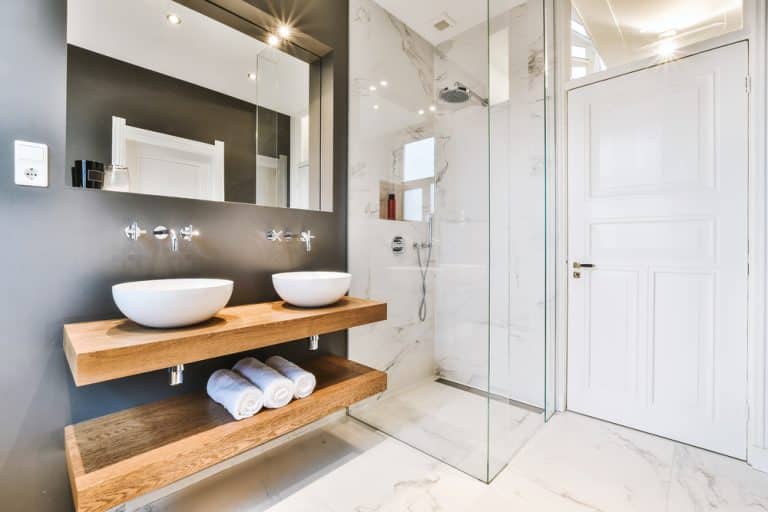 Many of the worst remodeling outcomes trace back to a rushed contract or poor communication rather than bad craftsmanship. Our guide to the most common bathroom remodeling mistakes covers several that start exactly here.
For most full remodels, yes. Louisiana requires a Home Improvement Registration for residential projects between $7,500 and $75,000, and a residential license above that. Hiring an unregistered contractor for qualifying work leaves you with little protection if the job goes wrong.
Ask for their license or registration number and look it up on the Louisiana State Licensing Board for Contractors website, where status is public. Confirm the credential is active and that the name matches the business you are hiring. A contractor who will not share a number is a clear warning sign.
At a minimum, general liability insurance and workers’ compensation. Liability covers damage to your home, and workers’ compensation protects you if someone is hurt on your property. Always confirm both are current before work begins.
Two or three detailed, written estimates is the practical sweet spot. That gives you enough to compare scope and pricing without dragging out the decision. Focus on what each bid includes, not just the bottom-line number.
The clearest ones are no verifiable license, no proof of insurance, a demand for large upfront cash payment, and pressure to sign quickly. A bid far below every other quote is another, since it usually hides a gap in scope or quality. Any one of these is a reason to keep looking.
Choosing a contractor comes down to proof over promises. Verify the license, confirm the insurance, review the bathroom-specific work, check the references, and read the contract before you sign. Homeowners who move through those steps rarely end up in the horror stories, because the process filters out the contractors those stories are about.
The stakes are simply higher in an older New Orleans home, where aging plumbing and humidity punish shortcuts that a newer house might hide for years. Getting the right team the first time is what keeps a remodel looking and working as well in five years as it does on day one.
At TurnKey Bath Remodel, we are licensed, insured, and focused on bathrooms across the New Orleans area, and we are happy to answer every one of the questions above before you decide anything. If you are ready to talk through your project with a team you can verify, call us today at (504) 513-6366 to schedule your free consultation.