What Does Historic District Review Mean for a Bathroom Remodel in New Orleans?
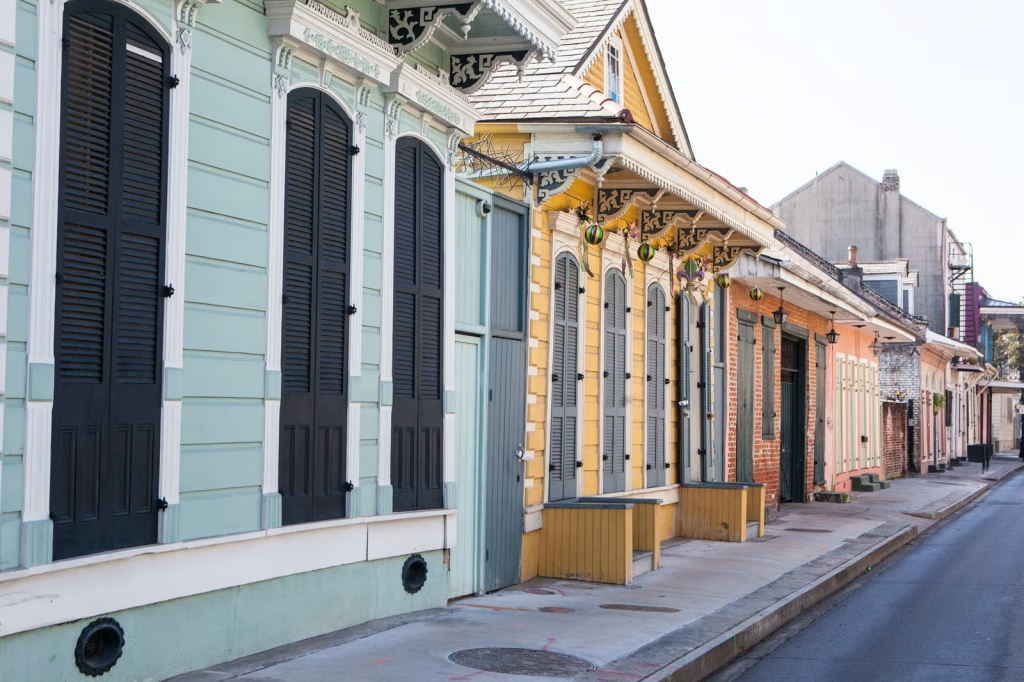
Historic district review is the city’s check on changes to the outside of a protected building. In New Orleans, the Historic District Landmarks Commission (HDLC) issues a Certificate of Appropriateness for approved exterior work, while work inside the house sits outside its jurisdiction. For a bathroom remodel, the review question comes down to whether any part of the job reaches the exterior.
The numbers explain why so many homeowners ask. The HDLC’s design guidelines count more than 47,700 properties on the New Orleans historic inventory, and most of them sit inside local historic districts.
The HDLC’s own FAQ lists eighteen local districts across the city. That is a lot of older houses where a bathroom update raises the same question: does the commission need to sign off first?
At TurnKey Bath Remodel, we remodel showers and bathtubs in homes across New Orleans. This guide sticks to what the city’s own HDLC documents say, so you can check each point at the source.
If you are planning a bathroom update in an older home and want to talk through your scope, contact us and we will help you map out what the project involves.
Below, we cover what the HDLC reviews, which bathroom changes bring a project under review, and how it fits with a building permit.
What Is Historic District Review in New Orleans?
Historic district review is the process the HDLC uses to approve exterior changes to properties under its jurisdiction. Once staff or a commission decides proposed work is appropriate, the HDLC issues a Certificate of Appropriateness, often shortened to CofA.
Two commissions share the work. According to the HDLC FAQ, the New Orleans HDLC has jurisdiction over the fourteen residential local historic districts, and the Central Business District HDLC covers the four downtown districts.
The French Quarter is a separate case. The HDLC guidelines say properties inside its boundaries fall under the Vieux Carré Commission instead, so this guide does not apply there.
It also helps to separate two kinds of designation. The FAQ notes there are twenty one National Register districts in the city, and that the only protection a National Register listing provides is limited control over federally funded projects. Local districts and landmarks are the ones that bring HDLC review.
Not every local district is reviewed the same way. Districts are adopted as either full control or partial control, which changes the answer for many homeowners.
Does the HDLC Review Interior Bathroom Work?
No. The HDLC’s design guidance states that the commission does not have jurisdiction over interior work, although building and other permits may be required for it. Its FAQ puts it more simply: the HDLC only has jurisdiction over the exterior of properties.
Work Inside the Walls
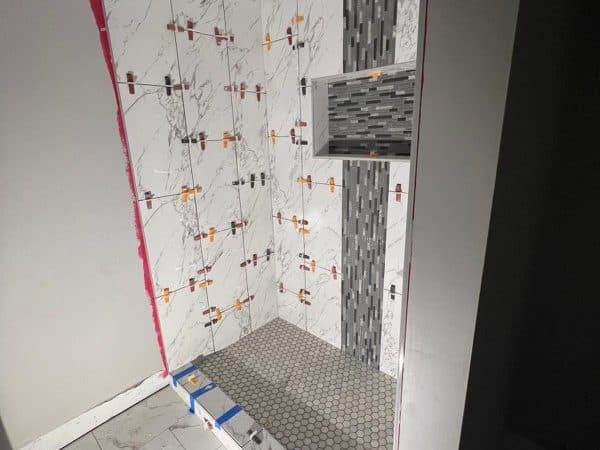 Most bathroom remodeling happens entirely indoors. New tile, a replacement tub, a new shower base and most of a tub-to-shower conversion take place inside the room, so they do not need a Certificate of Appropriateness on their own.
That does not make the work permit-free. The city’s Renovation (Non-Structural) Permit page says that permit is required for any construction within an existing building, interior or exterior. Our guide to when a bathroom remodel needs a permit in New Orleans covers which jobs trigger one.
The line between inside and outside is where planning matters. A remodel can stay interior in every visible way and still need one new vent through a wall or roof, which is the detail that brings exterior review into play.
Full Control and Partial Control Districts
In full control districts, the guidelines say all exterior work, excluding paint color and plantings, must be submitted for review before work starts. Review covers the parts of a property visible from the public right-of-way, which the guidelines describe as a sidewalk, street or alley.
Partial control districts work differently. The HDLC’s Uptown district description says its jurisdiction there is limited to the control of demolition, and the Garden District description lists design review of new construction and public hearings for demolitions.
Individual Landmarks
Landmarks follow the strictest rule. The guidelines say the HDLC has jurisdiction over all proposed exterior changes on individual landmarks, not only the parts visible from the street, and that landmarks are generally properties outside the local district boundaries.
Which Bathroom Changes Can Trigger HDLC Review?
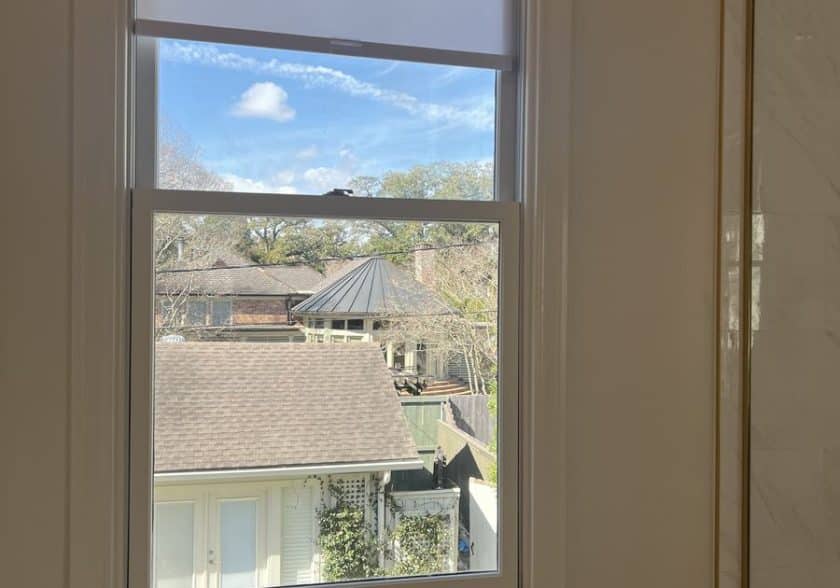 Any bathroom change that alters the outside of the building can trigger review in a full control district or on a landmark. The HDLC says all exterior repairs, no matter how minor, are subject to review and require a Certificate of Appropriateness.
In a bathroom remodel, three kinds of exterior change come up most often:
- A new or resized window opening: The Windows and Doors guidelines list installing a door or window in a new or modified opening as work that needs review, at staff or commission level depending on the building’s rating. The Introduction adds that window alterations which are not restoration go to the Architectural Review Committee.
- A replacement window in the same opening: The guidelines name the replacement of roofs, doors and windows as work that needs HDLC approval even when it does not otherwise require a building permit.
- A new vent through the roof or an outside wall: The Roofing guidelines note that residential roof penetrations typically include plumbing vents, and that any roof or wall vent 4 inches in diameter or larger is subject to HDLC review.
The vent rule is easy to miss. A new exhaust fan cap on a side wall facing the street, or a relocated plumbing vent above the roofline, can be the only exterior part of an otherwise interior project.
The Roofing guidelines also give a placement preference. To limit their visual impact, roof vents should be placed in an orderly fashion below the roof ridge, which is worth raising before a vent route is set.
Our guide on sizing and venting a bathroom exhaust fan explains why the duct has to run outside. Knowing where it will exit tells you early whether a historic review item is on the list.
Older house types add their own wrinkles. In a narrow shotgun or a double, whether a side-wall vent or window can be seen from the sidewalk depends on the house and the lot. Our post on remodeling a bathroom in a shotgun or double covers the layout side of those homes.
How Does HDLC Approval Work Alongside a Building Permit?
The two approvals are linked but separate. The HDLC guidelines say a Certificate of Appropriateness is necessary but not sufficient for a building permit, because every project is also reviewed for zoning, building and safety code compliance.
Starting With the Building Permit Application
The HDLC’s Application Process page says you must file for a building permit in order to obtain a CofA, and the city’s Certificate of Appropriateness page says all proposed work must begin with a building permit application online.
The HDLC asks applicants to make an itemized list of everything on the exterior they plan to work on, even if it is just repairing what is there. Photos of items being replaced for poor condition go with it.
The HDLC names the first step as confirming the property rating with its staff. Ratings run from Significant to Contributing to Non-contributing, and they shape what level of review a change needs.
Staff Review, the Express Lane and the ARC
Simple applications move quickly. The city’s Certificate of Appropriateness page puts the current review and approval time at about 3 to 5 days for work staff can approve.
The HDLC launched an Express Lane in November 2025. Its page says the team issues CofAs within 1 to 3 business days for work that meets the design guidelines, and roof vents and repairs that match the existing are on its eligible list.
Larger changes, such as a new window opening, can go to the Architectural Review Committee of volunteer licensed architects, and the owner or applicant is required to attend that meeting.
On the permit side, the Renovation (Non-Structural) Permit page lists 2 to 5 business days for residential projects. Our post on how long a bathroom remodel takes in New Orleans puts permitting in context with the rest of the schedule.
What Happens When Exterior Work Skips Review
The HDLC is direct about the risk. Work completed without an approved CofA is subject to possible fines, removal and restoration of the property to its earlier appearance, and the HDLC can issue a Stop Work Order.
The rule also reaches past the current project. Current property owners are responsible for making sure all exterior work done since designation received a CofA, even if a prior owner did it.
Where New Orleans Homeowners Should Start
Historic review touches a bathroom remodel at the edges, not the center. The tile, fixtures and layout stay under the building permit process, while any new window, opening or vent that reaches the outside can bring the HDLC into the plan.
The useful first step is to find your house on the HDLC’s district map, then list every part of the job that will be visible from outside. That list tells you whether a Certificate of Appropriateness belongs on your schedule before demolition day.
If you are also adding a half bath, our guide to adding a powder room to a New Orleans home walks through the planning steps.
At TurnKey Bath Remodel, we help homeowners plan shower and bathtub remodels with the whole house in mind, including the parts that face the street. To set up a free in-home design consultation, call us today at (504) 513-6366!
Frequently Asked Questions
Do I need HDLC approval for an interior bathroom renovation?
No, not for the interior work itself. The HDLC guidelines say the commission does not have jurisdiction over interior work, and its FAQ says it only has jurisdiction over the exterior of properties. Interior work can still need a building permit, though. The city’s Renovation (Non-Structural) Permit page says that permit covers construction within an existing building, interior or exterior. If any part of the remodel reaches the outside of the house, such as a new window or a vent through a wall or roof, that part may need a Certificate of Appropriateness in a full control district or on a landmark.
Do I need HDLC approval to replace a bathroom window?
In a full control district or on a landmark, generally yes. The HDLC guidelines list the replacement of roofs, doors and windows as work that needs HDLC approval even when it does not otherwise need a building permit. A window in a new or modified opening is a larger change, and the Windows and Doors guidelines send it to staff or commission review depending on the building’s rating. In a partial control district, the answer depends on what that district’s designation covers, so confirm with the HDLC before you order a window.
Does a new bathroom exhaust vent need HDLC approval?
It can. The HDLC Roofing guidelines say any roof or wall vent 4 inches in diameter or larger is subject to HDLC review, and they name plumbing vents as a typical roof penetration on houses. The same guidelines prefer roof vents placed in an orderly fashion below the roof ridge to limit how visible they are. Roof vents are on the HDLC Express Lane’s eligible list, which the HDLC says can issue a Certificate of Appropriateness within 1 to 3 business days for work that meets the design guidelines.
How long does HDLC approval take?
It depends on the work. The city’s Certificate of Appropriateness page says staff-level review currently takes about 3 to 5 days. The HDLC Express Lane issues approvals within 1 to 3 business days for eligible work that meets the guidelines and arrives with a complete application. Changes that need the Architectural Review Committee or a full commission take longer, because those bodies meet monthly. An incomplete application is delayed, so a detailed scope and photographs help.
Do I still need a building permit if the HDLC approves my project?
Yes, if the work requires one. The HDLC guidelines say a Certificate of Appropriateness is necessary but not sufficient for a building permit, since each project is also reviewed for zoning, building and safety code compliance. The HDLC’s Application Process page says you must file for a building permit in order to obtain a CofA in the first place. The Express Lane page also notes that many items it approves need a building permit from the Department of Safety and Permits too.
How do I know if my house is in a historic district?
The HDLC’s Application Process page starts with this step: locate your property on the map and determine whether it is in a historic district. The HDLC website has a Historic Landmarks and Districts page with a map, a description of each of the eighteen local districts and a downloadable list of nominated and designated landmarks. The guidelines also recommend contacting HDLC staff to confirm your property’s rating, which shapes the level of review. The HDLC FAQ invites owners to call staff early in planning with questions.
What happens if I remodel without a Certificate of Appropriateness?
The HDLC guidelines say work completed without an approved Certificate of Appropriateness is subject to possible fines, removal and restoration of the property to how it looked before the violation. The HDLC can also issue a Stop Work Order, and the owner then has to go through the application process before work restarts. This applies to exterior work only. Interior bathroom work falls outside the HDLC’s jurisdiction, though it can still need city permits.
Does the HDLC regulate homes in the French Quarter?
No. The HDLC guidelines say its jurisdiction covers locally designated historic districts and landmarks across New Orleans, with the exception of those inside the boundaries of the French Quarter. Those properties are under the jurisdiction of the Vieux Carré Commission. The city’s Renovation (Non-Structural) Permit page lists both the HDLC and the Vieux Carré Commission among the agencies whose approval a renovation may require, so French Quarter owners should check with the Vieux Carré Commission before planning work.

At TurnKey Bath Remodel, we have spent 25+ years remodeling bathrooms across New Orleans and Southeast Louisiana, with most projects installed in as little as one day.
Book your FREE design consultation